


If you have any questions, please contact our online customer service staff immediately
 Click:5
Edit: Chuanghe Hoisting
 Time:2026-10-26 14:14:56
Lifting and positioning loads is a routine task in workshops, warehouses, garages, small factories and maintenance areas. When loads are too heavy to lift manually, a compact powered lifting device can help improve handling efficiency and reduce physical effort.
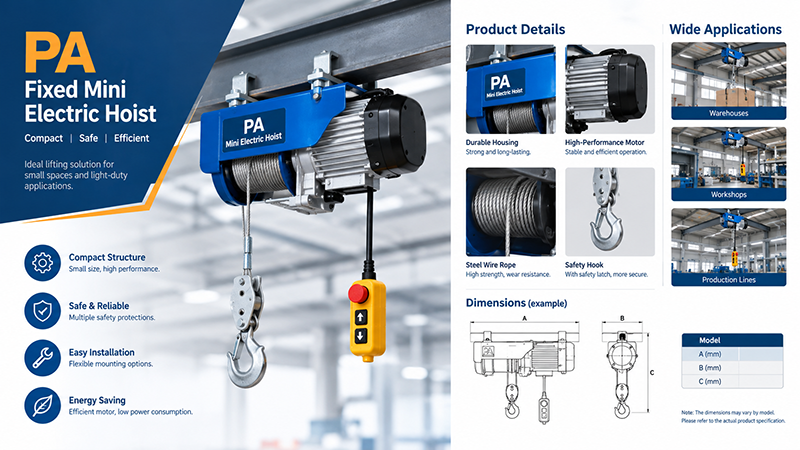
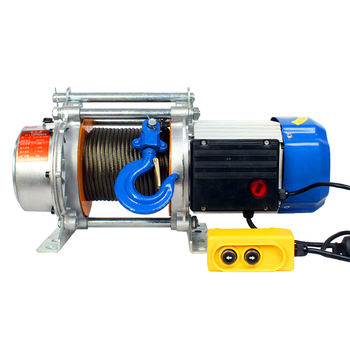
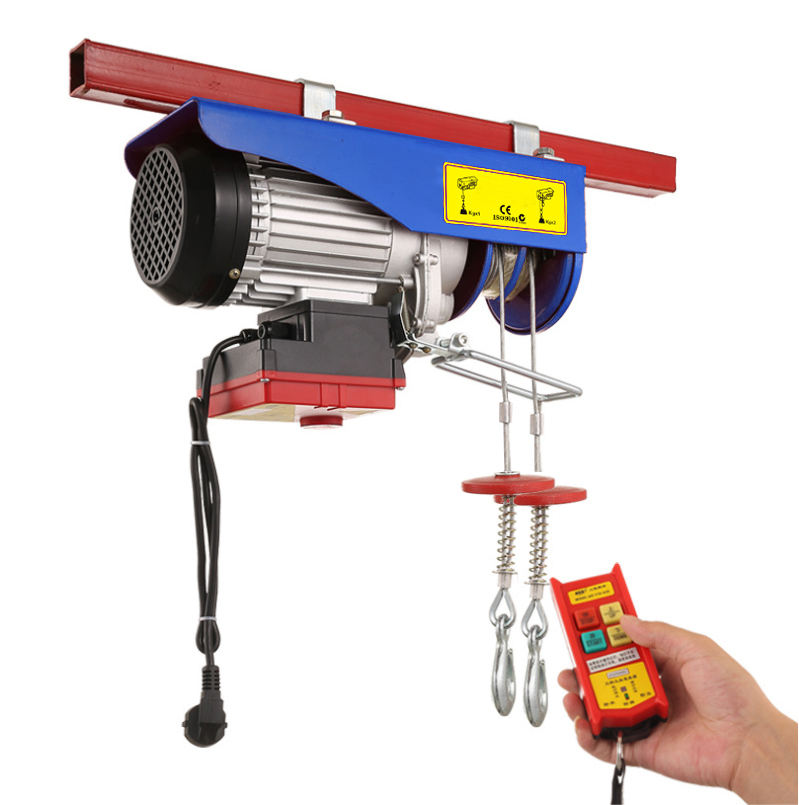
A PA-type fixed mini electric hoist is a compact electric lifting device commonly used for vertical lifting in suitable indoor work areas. It typically uses an electric motor, a wire rope, a lifting hook and a control switch to raise or lower loads. The fixed installation style is intended for lifting from a designated mounting point rather than travelling along a beam unless a compatible trolley system is specifically supplied.
This guide explains the working principle, common applications, important selection criteria, safety considerations and routine maintenance points for PA-type mini electric hoists.

A PA fixed mini electric hoist is a small electric hoist designed to lift and lower loads using a motor-driven wire rope mechanism. It is often selected where installation space is limited and lifting needs are relatively light-duty compared with larger industrial hoists.
Depending on the model, the main components may include:
· Electric motor and transmission mechanism
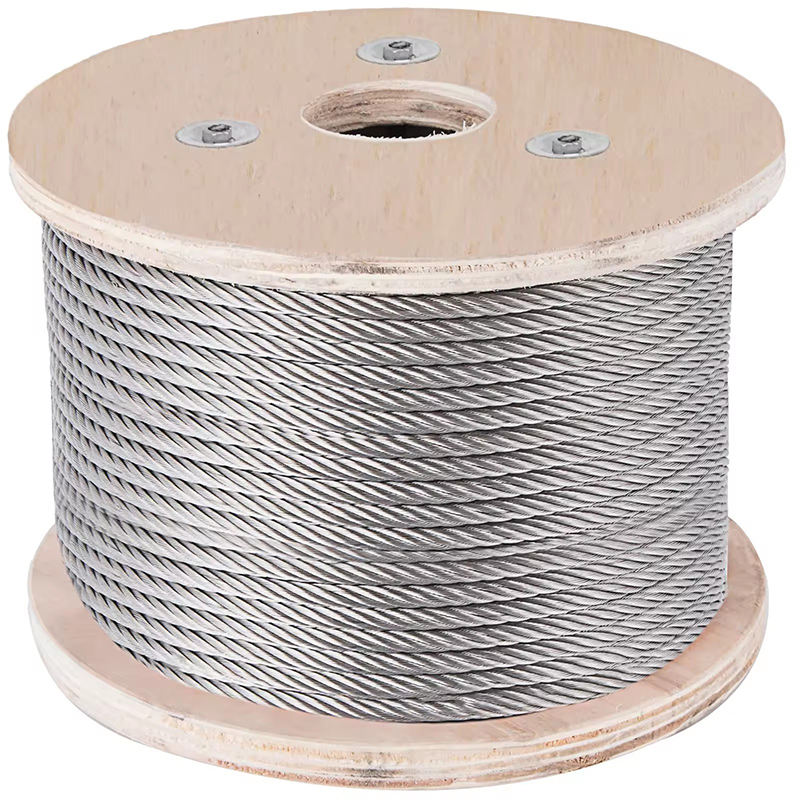
· Wire rope and rope drum
· Upper suspension or mounting bracket
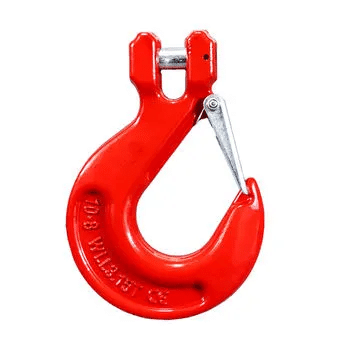
· Hook assembly and safety latch
· Pendant or hand-held control switch
· Limit or stopping devices, where provided
· Protective housing and electrical components
The exact component layout and safety devices differ by model. Check the supplied manual before installation or use.
The electric motor drives the hoisting mechanism, winding the wire rope onto a drum to raise the hook and releasing rope in a controlled manner to lower the load. The operator uses the control switch to command the lifting or lowering movement.
1. Inspect the hoist and work area. Confirm that the load is within the rated capacity and that the mounting structure is suitable.
2. Attach the load. Use an appropriate, inspected lifting attachment and ensure the hook safety latch closes correctly.
3. Raise the load. Operate the control in accordance with the manufacturer's instructions and lift smoothly.
4. Move or position the load only as permitted. A fixed hoist is designed primarily for vertical lifting; do not drag loads sideways.
5. Lower the load carefully. Keep people clear of the suspended load and lower it onto a stable surface.
6. After use, park the hook safely and isolate the power if required by the site procedure.
The small form factor can be useful in workshops, garages, service areas and other locations where installation space is limited. The required clearance above and around the hoist must still be checked.
Electric operation reduces the manual effort needed to raise a load compared with manual lifting methods. The hoist must nevertheless be operated by trained personnel and used within its rated limits.
A control switch allows the operator to command lifting and lowering from a suitable position. Operators should always maintain a clear view of the load and surrounding area.
Depending on the model, a PA hoist may be installed on a rated fixed bracket or other approved support. Any mounting accessory must be compatible with the hoist and the intended load.
PA-type mini hoists are often considered for light-duty or intermittent lifting tasks. They should not be assumed suitable for continuous industrial duty unless the manufacturer explicitly rates them for that service.
Used for lifting suitable components, tools, fixtures and materials during assembly or maintenance work.
May assist with lifting equipment or components when the hoist, lifting accessories and supporting structure are designed for the task.
Can be used at designated lifting stations for compatible loads. A fixed mini hoist does not replace a pallet truck or forklift for horizontal movement.
A suitable hoist can support planned maintenance tasks where a verified lifting point and safe working area are available.
May help lift materials or assemblies between work surfaces when the load, cycle frequency and operating environment fall within the equipment's rating.
A fixed hoist lifts from one mounting point. A hoist fitted to a compatible trolley may travel horizontally along an appropriately rated beam. These configurations are not interchangeable without confirming compatibility and the manufacturer's approval.
Feature | Fixed PA Mini Electric Hoist | Hoist with Compatible Trolley |
Horizontal travel | Normally no; lifting point remains fixed | Possible along a suitable beam |
Installation | Requires a rated fixed support or bracket | Requires a rated beam, trolley and end stops as specified |
Typical use | Lifting at one workstation | Lifting and positioning along a defined beam path |
Key check | Mounting strength and alignment | Beam capacity, flange dimensions, trolley compatibility and travel clearances |
Choose a model whose rated capacity is sufficient for the heaviest load to be lifted, including any lifting attachments where applicable. Do not select capacity based only on the average load, and never exceed the marked working load limit.
Available capacities vary by supplier and market. Verify the exact rating from the model datasheet rather than relying on a generic product description.
Lifting height is the usable vertical distance required for the task. Confirm the required hook travel, available headroom, mounting height and clearance beneath the load. A longer rope or greater lifting height may affect the configuration and operating limits.
Check the rated lifting speed and the permitted operating duty. Small hoists may be designed for intermittent operation and may require cooling intervals. Frequent starts, long lifting cycles or production-line use require particular attention to the manufacturer's duty classification.
Confirm the correct voltage, frequency, phase and plug or wiring arrangement for the installation site. Never assume that a model supplied for one market is compatible with another country's electrical supply.
The support structure, bracket, fasteners and any beam must be designed and verified for the imposed loads and applicable safety factors. Do not attach a hoist to an unverified ceiling, beam, scaffold or improvised support.
Check the control arrangement, emergency stop if provided, upper/lower limit devices if provided, overload protection if provided, and the availability of a suitable operating manual. Do not assume that every model includes every protective feature.
Consider dust, moisture, temperature, corrosive substances and indoor or outdoor use. Use the hoist only in environments permitted by its protection rating and manufacturer instructions. Standard mini hoists should not be used in hazardous or explosive atmospheres unless specifically certified for that purpose.
For distributors and business users, confirm warranty terms, spare-part availability, technical support and the manufacturer's recommended inspection schedule before placing an order.
Specification | What to Verify |
Rated capacity | Maximum permitted load stated for the exact model |
Lifting height | Required hook travel and available headroom |
Lifting speed | Rated speed and whether the model has one or more speeds |
Power supply | Voltage, frequency, phase and electrical connection |
Duty rating | Permitted operating cycles and cooling requirements |
Wire rope | Type, diameter, condition and replacement requirements |
Hook | Rated capacity, latch and inspection requirements |
Controls | Control type, cable length and included safety functions |
Mounting | Approved mounting method and support requirements |
Environment | Permitted temperature, moisture and dust conditions |
For an accurate quotation or product comparison, request the official datasheet, dimension drawing, user manual and relevant conformity documents for the specific model.
Installation should be completed by competent personnel in accordance with the manufacturer's instructions and applicable local regulations.
7. Verify the model, rated capacity, accessories and electrical requirements before installation.
8. Inspect the hoist, wire rope, hook, controls and housing for transport damage.
9. Confirm that the supporting structure and mounting hardware are suitable and properly installed.
10. Position the hoist so the rope runs vertically and the load hangs beneath the lifting point.
11. Check clearances, hook travel and any specified limit devices before placing the hoist into service.
12. Carry out the manufacturer's prescribed checks and any legally required inspection or testing before use.
Do not modify the hoist, bypass safety devices or improvise mounting hardware. If any part of the installation is uncertain, stop and consult a qualified lifting-equipment professional.
· Inspect the wire rope, hook, latch, controls and mounting point.
· Confirm the load weight and ensure it is within the rated capacity.
· Check that the load is balanced and secured with suitable lifting accessories.
· Clear the lifting path and keep people away from the suspended load.
· Test controls and safety devices as instructed by the manufacturer.
· Use smooth, controlled movements and avoid shock loading.
· Keep the rope aligned vertically; do not side-pull or drag loads.
· Never stand or walk beneath a suspended load.
· Do not leave a suspended load unattended.
· Stop immediately if there is unusual noise, vibration, rope damage or abnormal operation.
· Exceed the rated capacity.
· Lift people or use the hoist as a personnel-lifting device unless it is specifically designed and certified for that purpose.
· Use a damaged rope, hook, control or mounting structure.
· Operate the hoist while safety devices are bypassed.
· Allow untrained personnel to operate the equipment.
· Use the hoist in an environment outside its approved rating.
Always follow the manufacturer's manual, site risk assessment and applicable lifting regulations. This guide is general information and does not replace model-specific instructions or required professional inspection.
Inspect the rope for broken wires, kinks, crushing, corrosion, flattening and other damage in accordance with the manual. Remove the hoist from service if the rope is damaged or reaches the manufacturer's rejection criteria.
Check for cracks, deformation, excessive wear and correct latch operation. A damaged hook must not be repaired by unauthorized heating, welding or reshaping.
Look for abnormal noise, overheating, damaged cables, loose connections or inconsistent operation. Electrical inspection and repairs should be performed by qualified personnel after the equipment has been safely isolated.
Check control response and verify any fitted limit devices using the procedure specified by the manufacturer. Never bypass a limit switch to continue operation.
Inspect the bracket, fasteners, beam or support for looseness, deformation, corrosion and signs of movement. Any concern about the structure should be assessed by a competent person.
Keep records of inspections, maintenance, defects and repairs. Inspection frequency should reflect the manufacturer's guidance, usage intensity, environment and applicable local requirements.
Symptom | Possible checks | Recommended action |
Hoist does not run | Power supply, isolator, plug, control switch and cable condition | Isolate safely and have electrical faults checked by qualified personnel. |
Lifting is slow or irregular | Load rating, duty cycle, rope condition and signs of mechanical resistance | Stop use if abnormal; consult the manual or service provider. |
Unusual noise or vibration | Loose parts, damaged rope, abnormal load or mechanical wear | Stop operation and arrange inspection before reuse. |
Hook does not stop as expected | Limit device and control-system condition, where fitted | Stop use immediately; do not bypass the device. |
Overheating | Operating cycle, load, ventilation and ambient conditions | Allow the specified cooling period and seek service if overheating recurs. |
These are preliminary checks only. Do not dismantle electrical or mechanical components unless qualified and authorized to do so.
Factor | PA Mini Electric Hoist | Manual Lifting Method |
Lifting effort | Motor-powered | Physical effort required |
Power source | Requires the specified electrical supply | No electrical supply required |
Initial investment | Higher than basic manual methods | Often lower for simple tasks |
Operating control | Uses the supplied control system | Depends on the manual method or device |
Best fit | Repeated or effort-intensive lifting within its duty rating | Very light or infrequent tasks where manual handling is safe |
Main considerations | Installation, electrical safety, duty rating and maintenance | Manual-handling risk, load weight and task ergonomics |
The right choice depends on load weight, lifting frequency, worksite conditions, available infrastructure and the applicable safety requirements. Manual handling should not be used where it creates an unacceptable risk of injury.
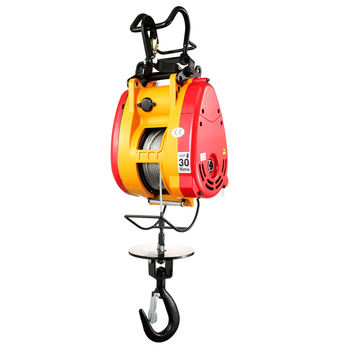
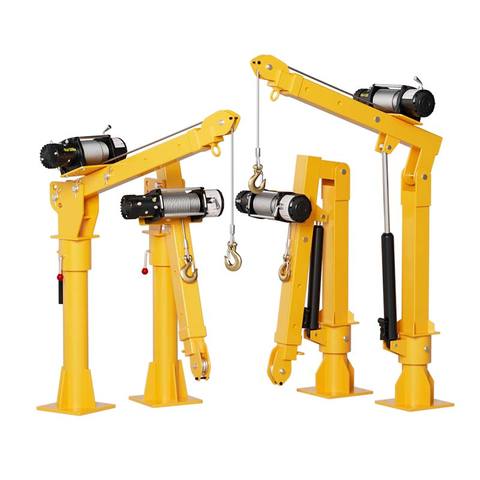
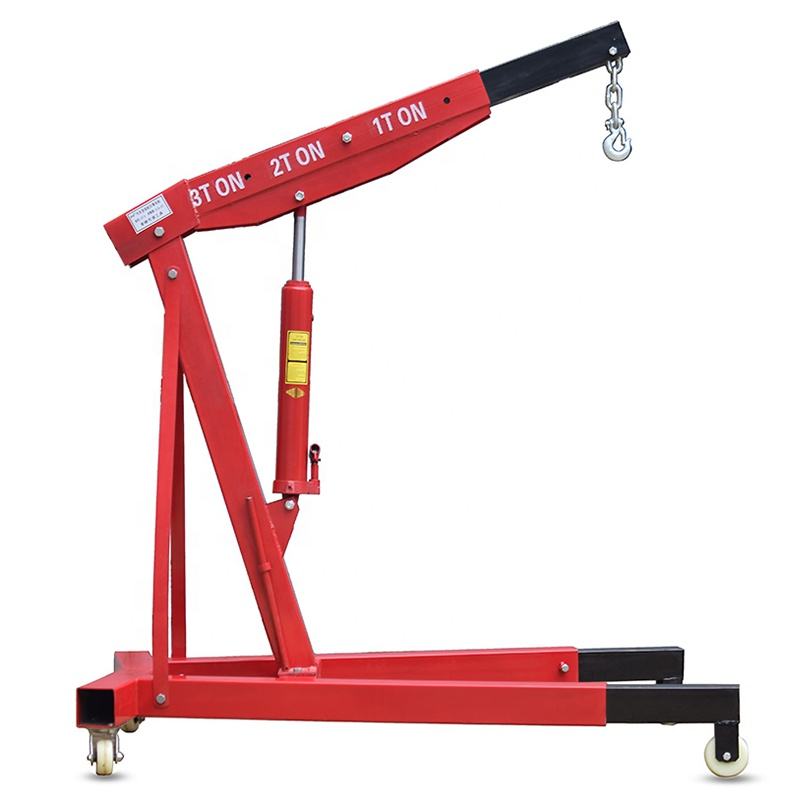
PA-type mini electric hoists can complement a broader lifting and material-handling portfolio. Potential customers may include workshops, maintenance teams, small manufacturers, garages and equipment resellers.
Related products that customers may also need include:
· Hand chain hoists
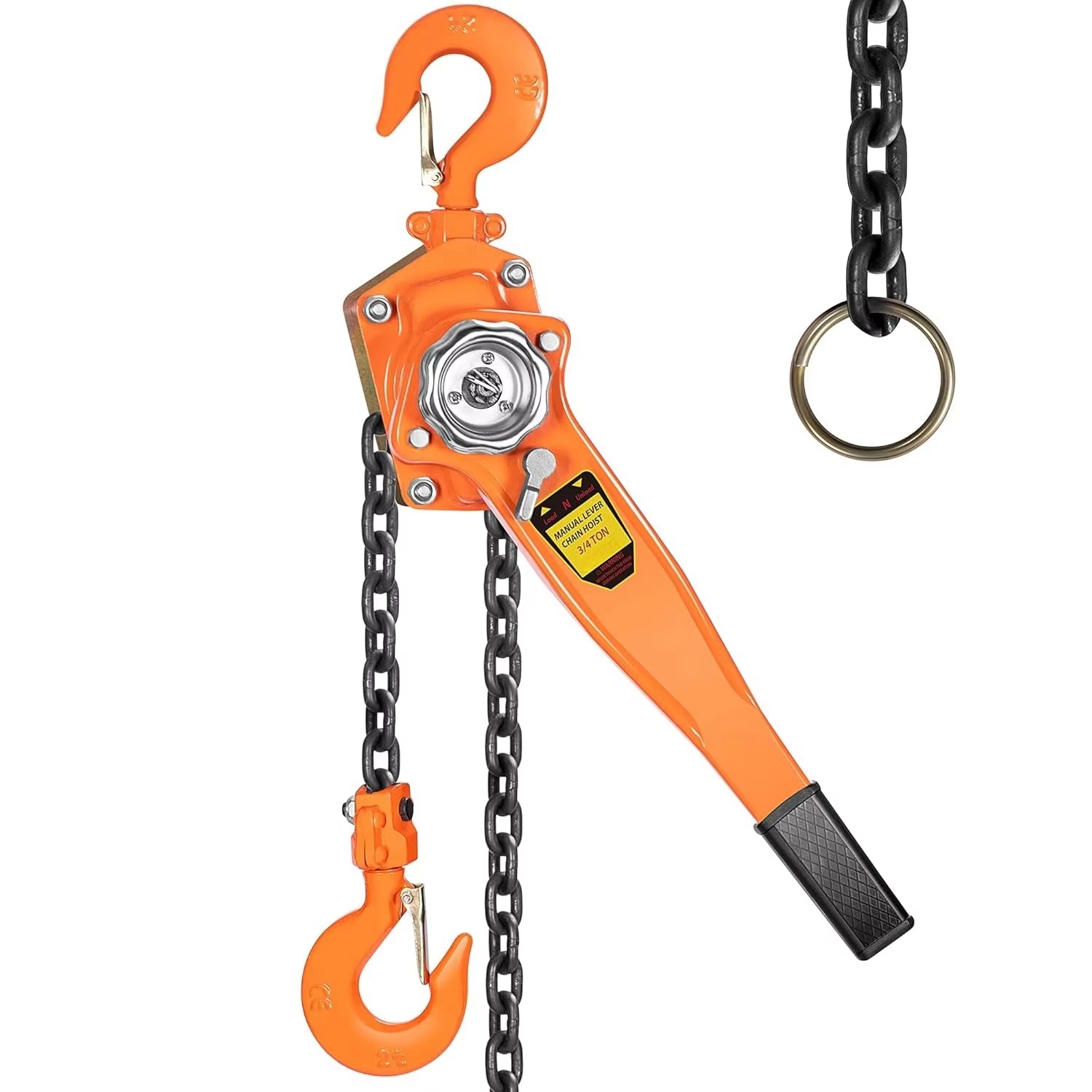
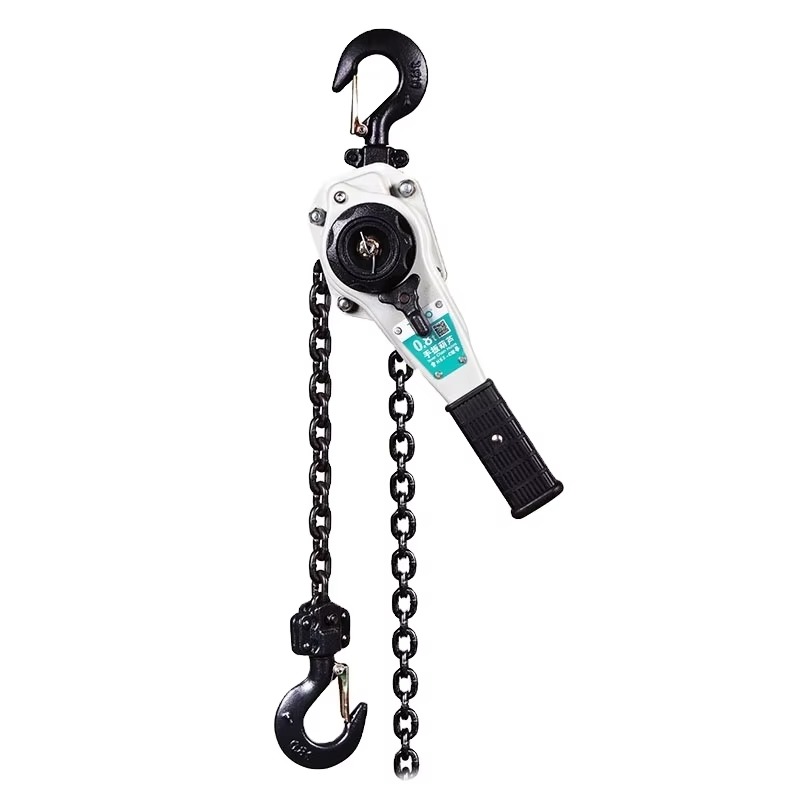
· Lever hoists
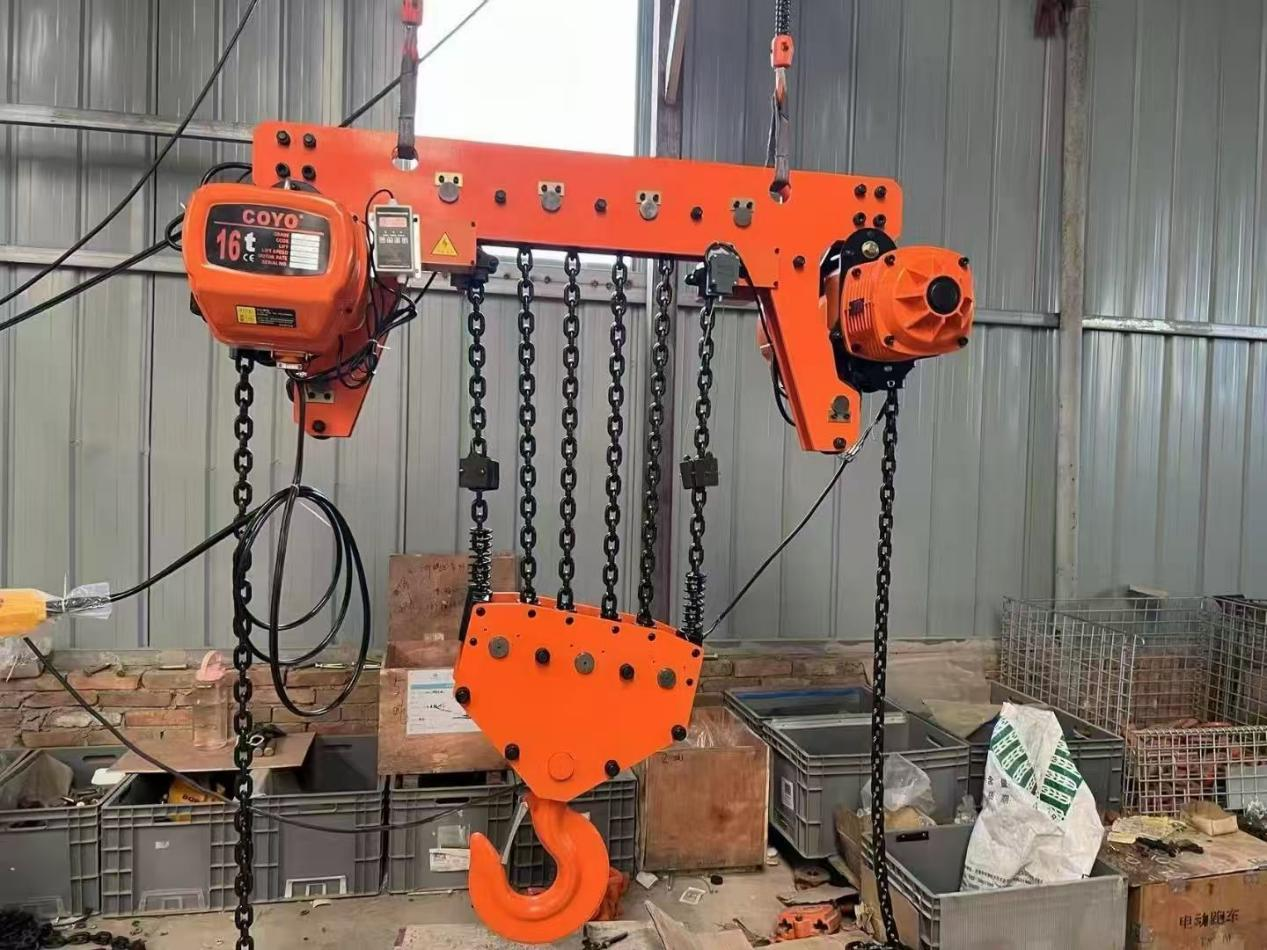
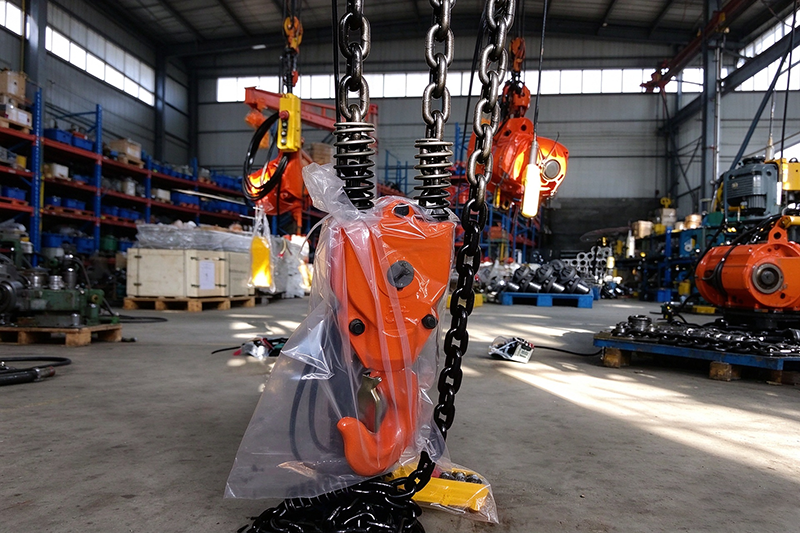
· Electric chain hoists
· Trolleys and compatible beam accessories
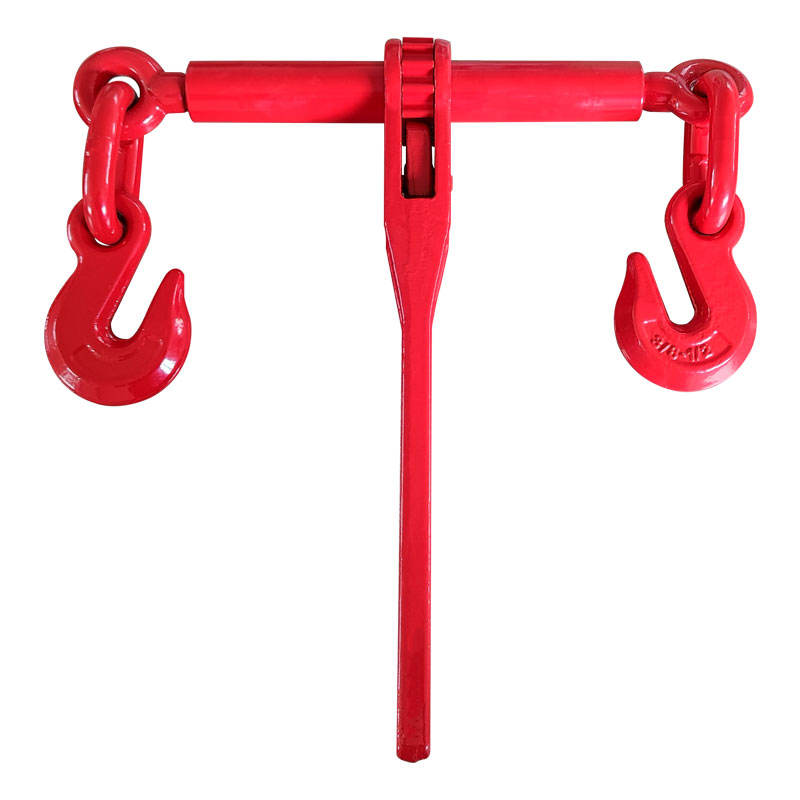
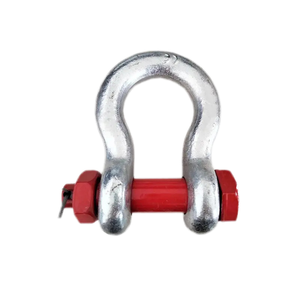
· Lifting slings and shackles
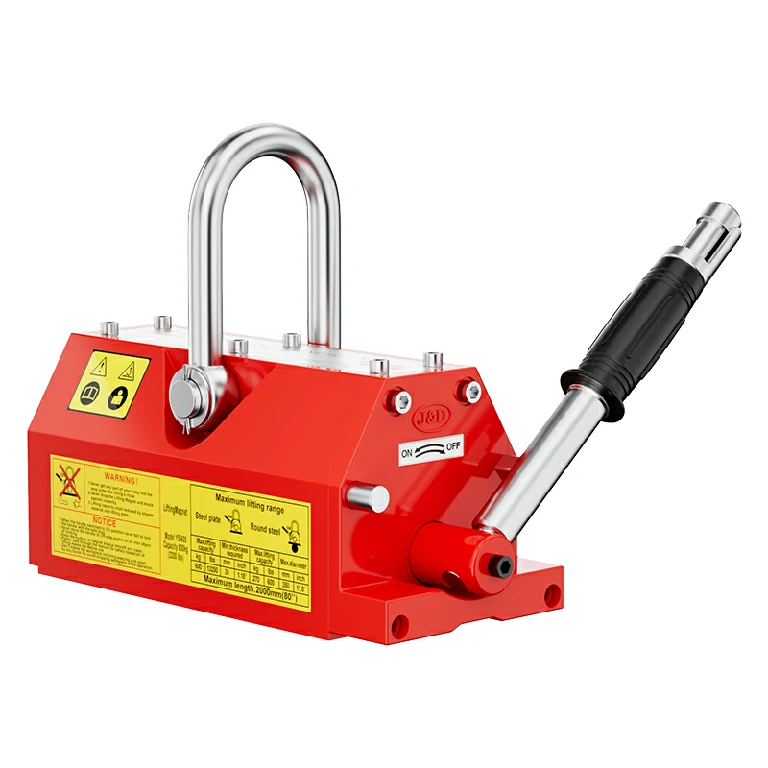
· Lifting clamps and other approved lifting accessories
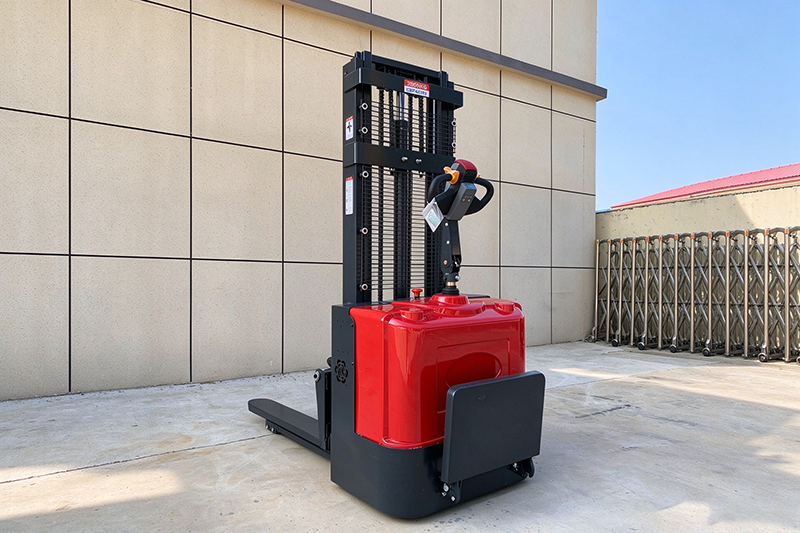
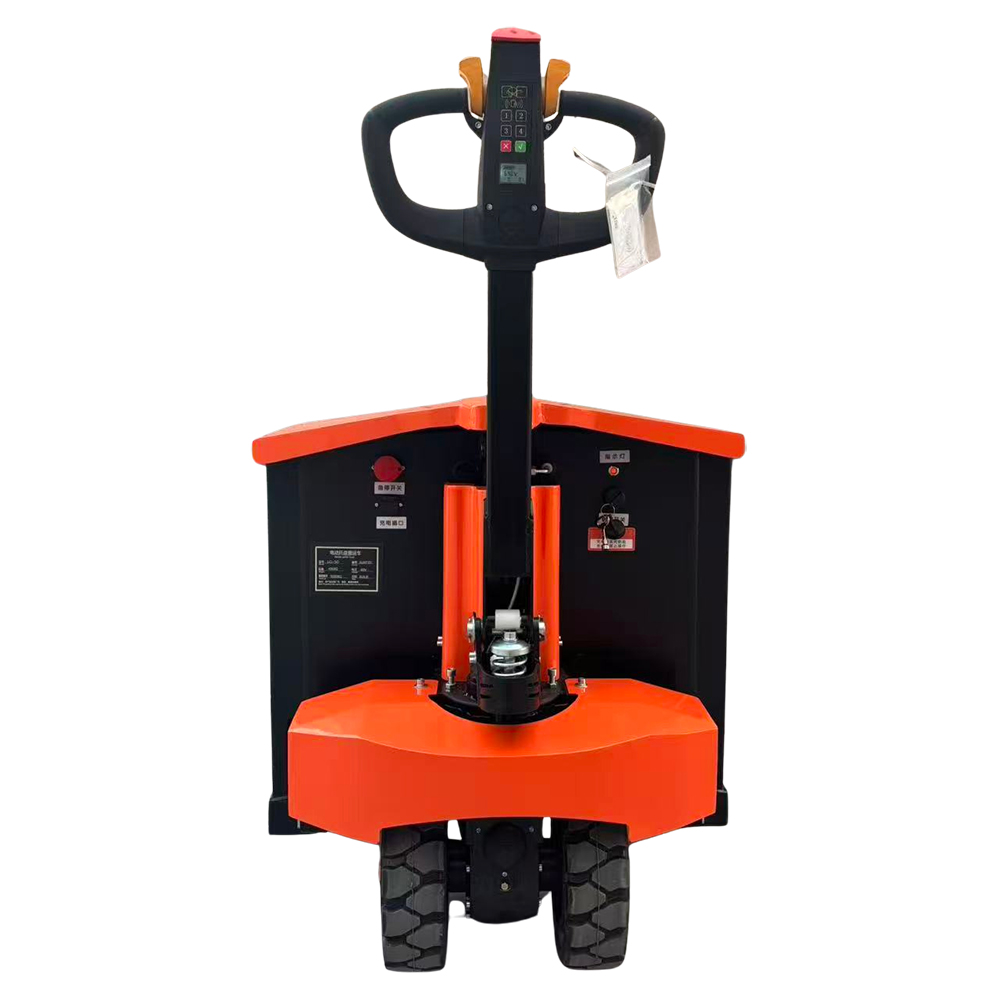
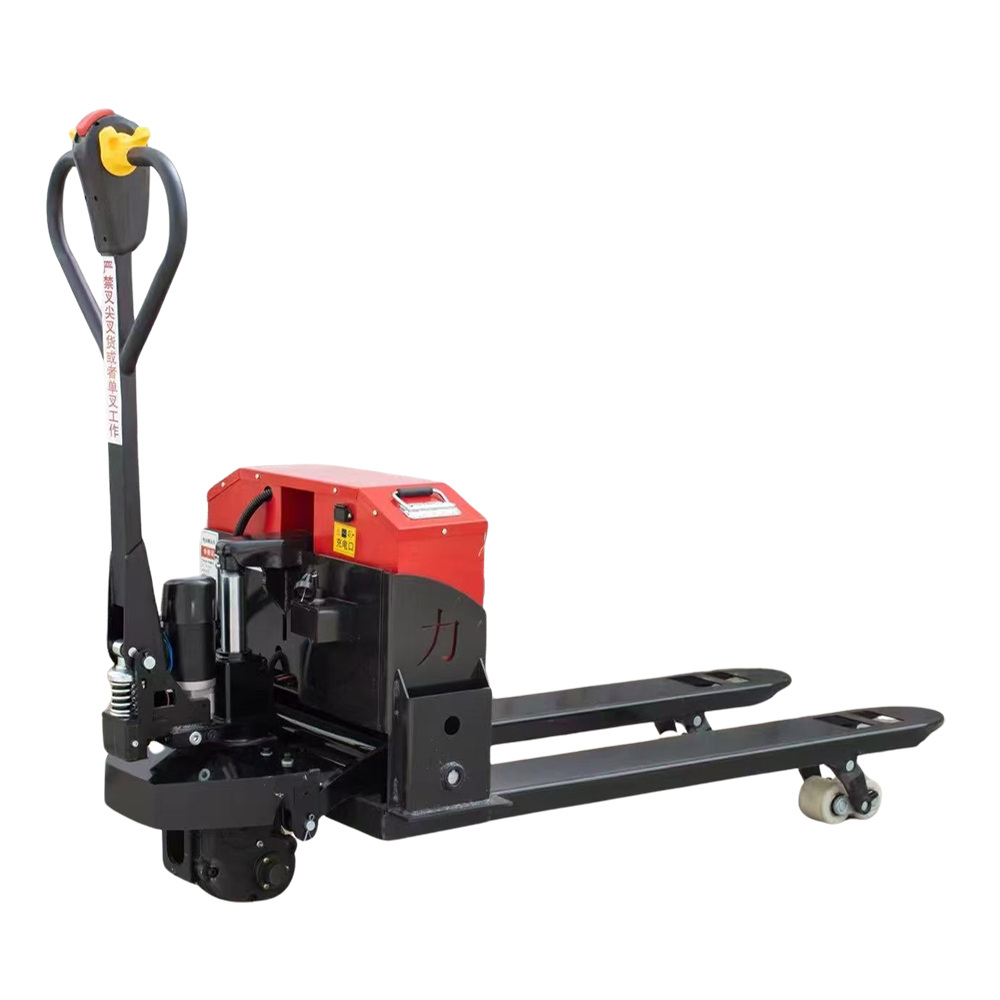
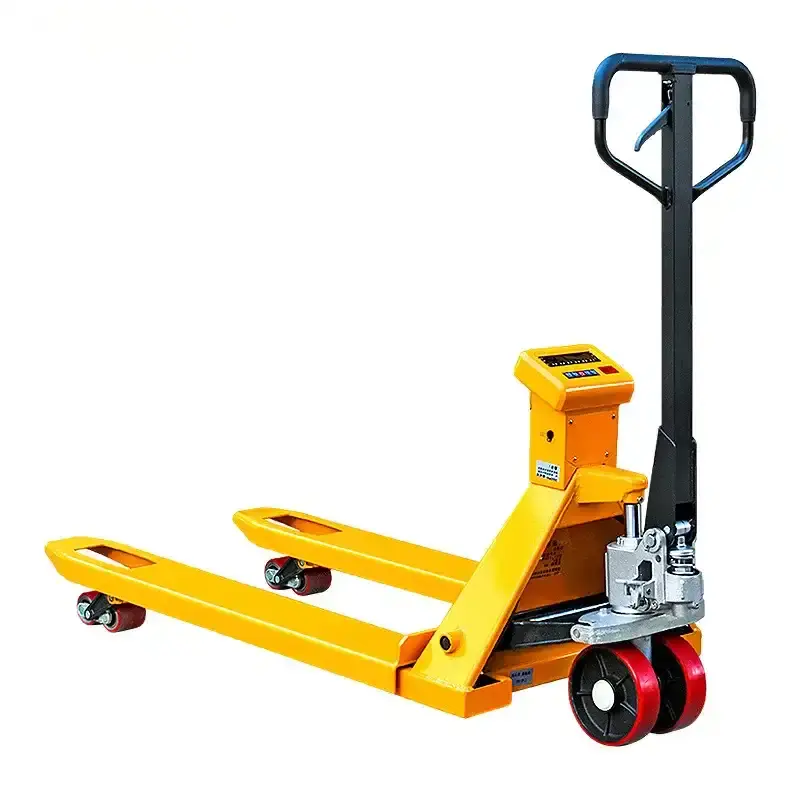
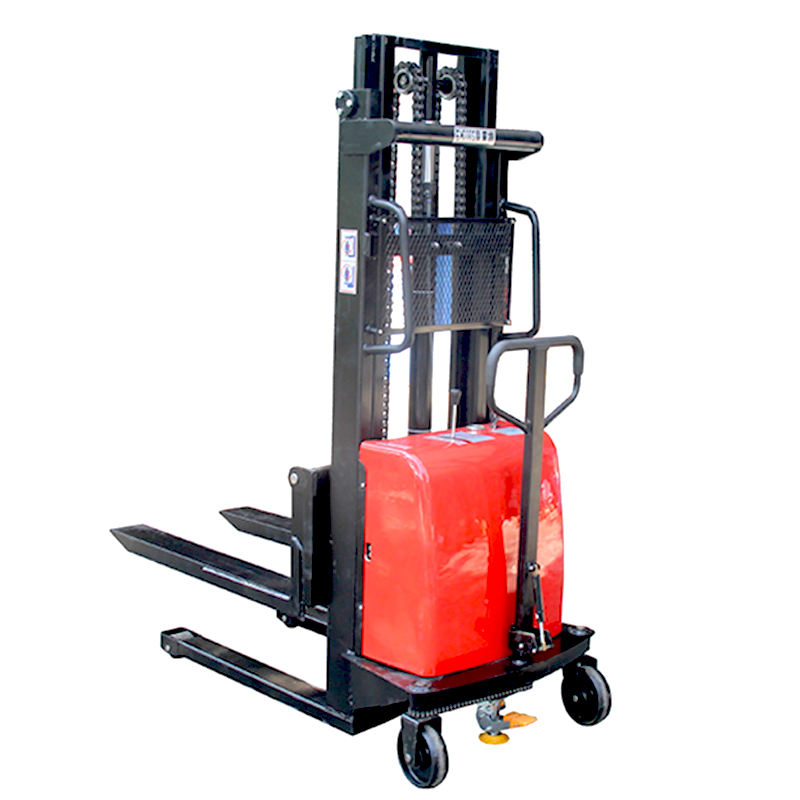
· Pallet trucks and stackers for horizontal material handling
When supplying a hoist, distributors should provide clear model specifications and confirm that the customer's intended use, installation point, electrical supply and operating duty are appropriate.
Not necessarily. Many compact hoists have defined duty limits and cooling requirements. Check the duty rating and permitted operating cycle for the exact model.
A fixed hoist normally lifts vertically from one point. Horizontal travel requires a compatible trolley and suitable supporting beam, where the manufacturer permits that configuration.
No. The support and mounting system must be verified for the hoist and its loads by a competent person. Do not use an unverified structure.
Features vary by model and supplier. Confirm the presence and function of each safety device in the datasheet and user manual.
Provide the required rated capacity, lifting height, lifting frequency, power supply, operating environment, fixed or trolley configuration, destination market and any applicable compliance requirements.
A PA fixed mini electric hoist can be a practical solution for lifting suitable loads in workshops, garages, small factories and designated service areas. Its compact construction and powered lifting action can reduce manual effort, but safe performance depends on selecting the correct model, installing it on a verified support and following the manufacturer's operating and maintenance instructions.
Before purchasing, compare rated capacity, lifting height, duty rating, power supply, mounting requirements, safety devices and after-sales support. Always confirm model-specific details rather than relying on generic specifications.
Lifting and positioning loads is a routine task in workshops, warehouses, garages, small factories and maintenance areas. When loads are too heavy to lift manually, a compact powered lifting device can help improve handling efficiency and reduce physical effort.
2026-10-26View More →
In the era of rapid global industrialization, heavy manufacturing, mechanical processing, steel structure production, large equipment assembly, port logistics and engineering construction industries are developing rapidly. Modern industrial production is gradually moving toward large-scale, heavy-load, high-frequency and high-precision operation mode.
2026-10-24View More →
With the comprehensive upgrading of global manufacturing intelligence, standardized workshop management, automated production lines and modern logistics warehousing construction, traditional manual lifting tools can no longer meet the high-frequency, high-precision and high-safety operation requirements of modern enterprises.
2026-10-23View More →


 Tel:
+8613653129869
 Whatsapp:
+8613653129869
 Email:
chuanghehoist@gmail.com
 Address:Donglu Village, Donglu Township, Qingyuan District, Baoding City, Hebei Province

 English
 Français
 Español




 Email
 +8613653129869
 +8613653129869

 Home
 Whatsapp
 chuanghehoist@gmail.com