


If you have any questions, please contact our online customer service staff immediately
 Click:1033
Edit: Chuanghe Hoisting
Click:1033
Edit: Chuanghe Hoisting Time:2026-04-17 14:56:06
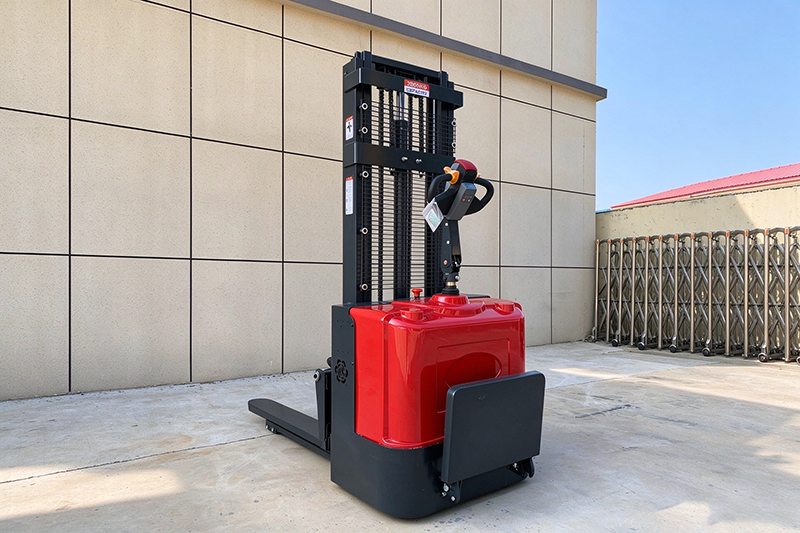
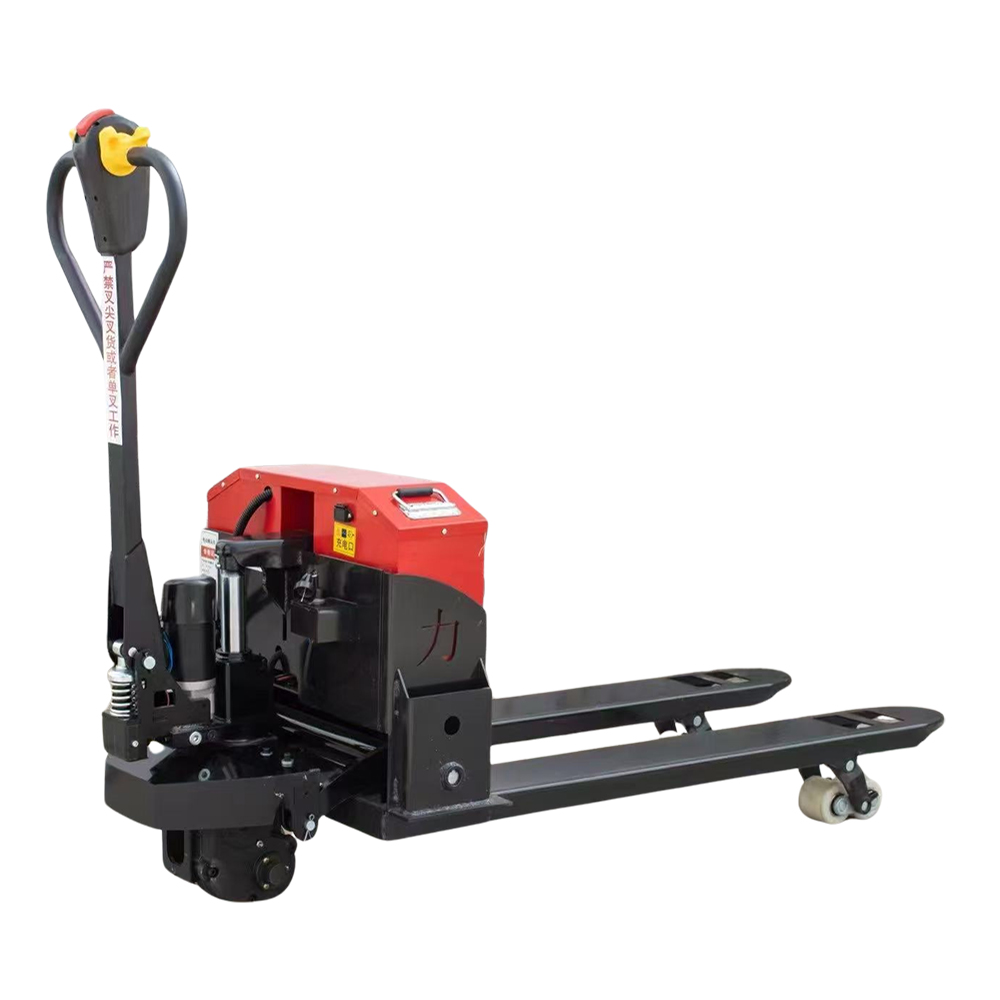
In modern warehouses, efficiency is no longer optional—it is a necessity. Electric pallet trucks, often referred to as electric pallet jacks, have become one of the most essential tools for material handling operations. Whether you are running a small storage facility or a growing distribution business, understanding how to choose and use the right equipment can significantly impact productivity, safety, and operating costs.
This article explores four critical aspects: essential safety features, comparison of different types, how to choose the right model for a small business, and a realistic breakdown of costs.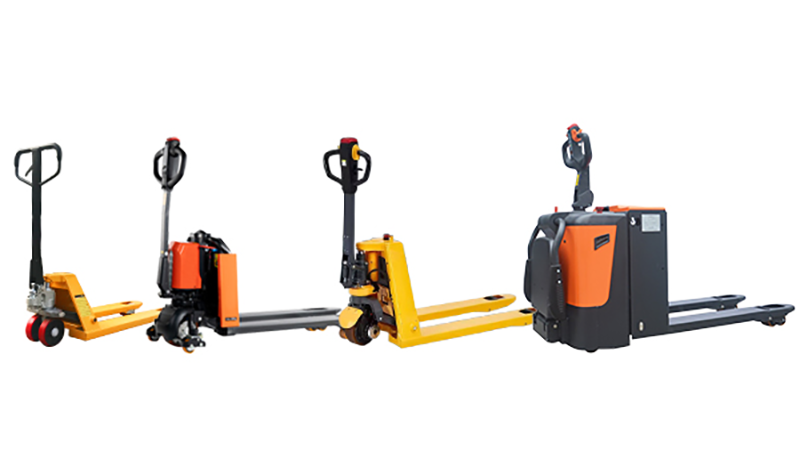
Safety should always come first in any warehouse environment. Electric pallet trucks are designed to reduce manual labor, but they also introduce powered movement, which increases the need for proper safety systems.
One of the most important safety features is theemergency stop button. This allows the operator to immediately cut power in case of unexpected situations, preventing accidents or damage to goods. It is a simple yet critical feature that every electric pallet truck must have.
Another key feature isautomatic braking systems. Most modern electric pallet trucks are equipped with electromagnetic brakes that activate automatically when the handle is released or when the truck stops. This prevents unintended movement, especially on slight inclines.
Anti-roll back protection is particularly useful when operating on ramps or uneven warehouse floors. This feature ensures that the truck does not roll backward when starting on an incline, protecting both the operator and nearby goods.
Speed control and turtle mode are also essential. Adjustable speed settings allow operators to switch between high efficiency and precision handling. Turtle mode, in particular, enables slow-speed operation in tight spaces, reducing the risk of collisions.
Modern electric pallet trucks often includeoverload protection systems. These prevent the truck from lifting loads beyond its rated capacity, protecting both the machine and the operator from mechanical failure.
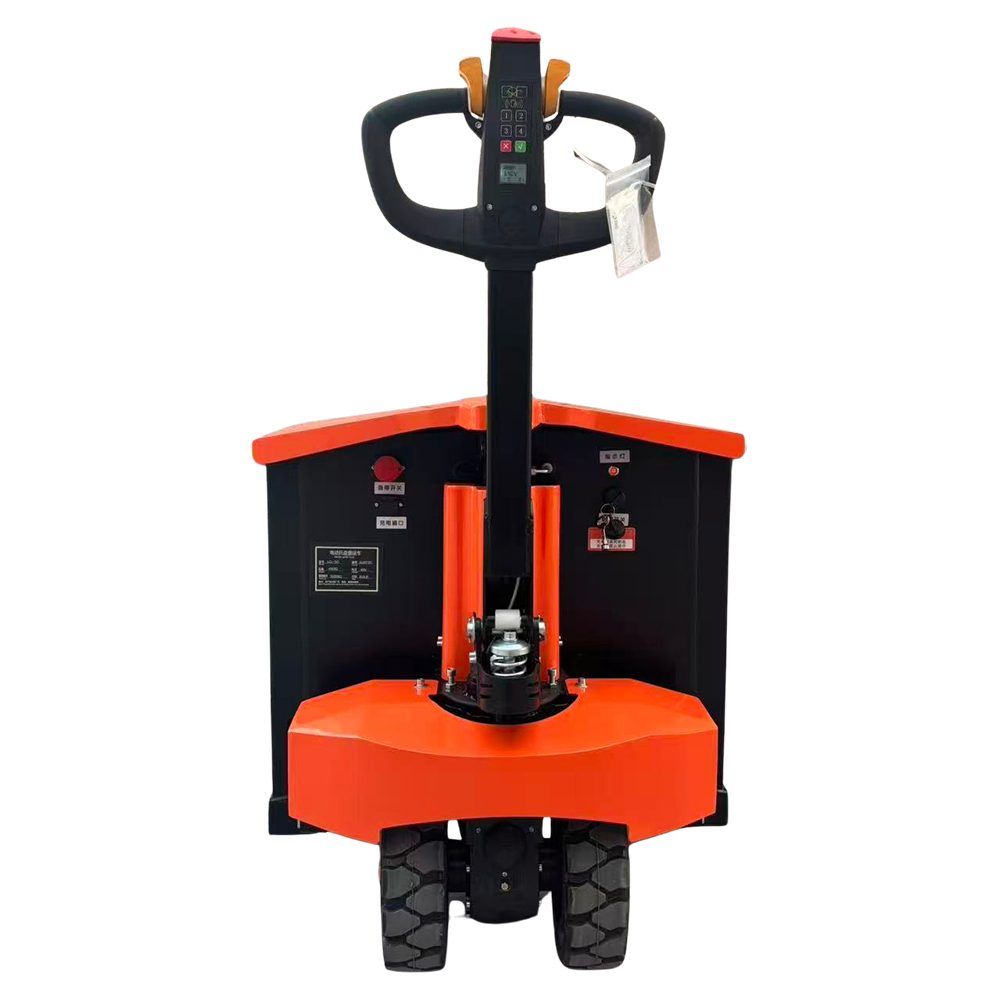
Additionally,ergonomic handle design with safety switches improves operator control. Features such as belly switches (reverse safety buttons) automatically move the truck away from the operator if they are pressed against a wall, significantly reducing injury risk.
Finally,battery safety systems should not be overlooked. Advanced models include low-voltage protection, automatic shutdown, and smart charging systems to prevent overheating and extend battery life.
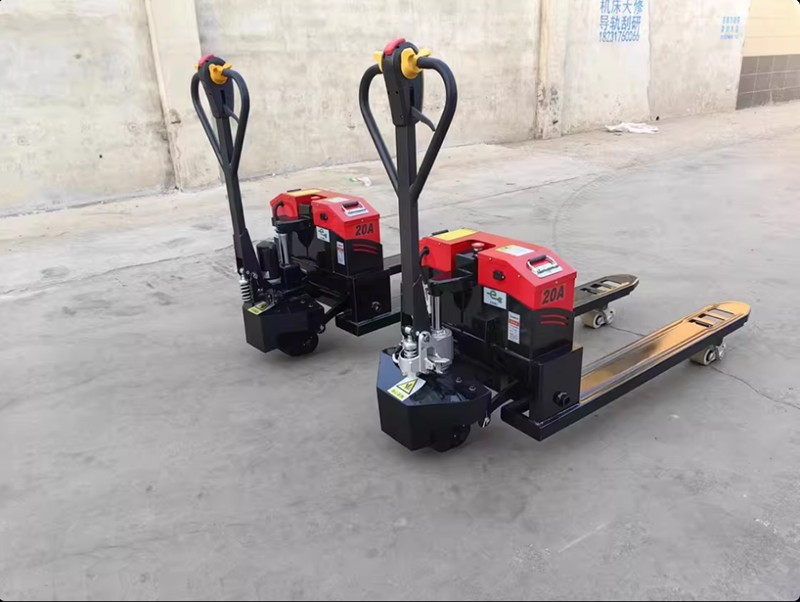
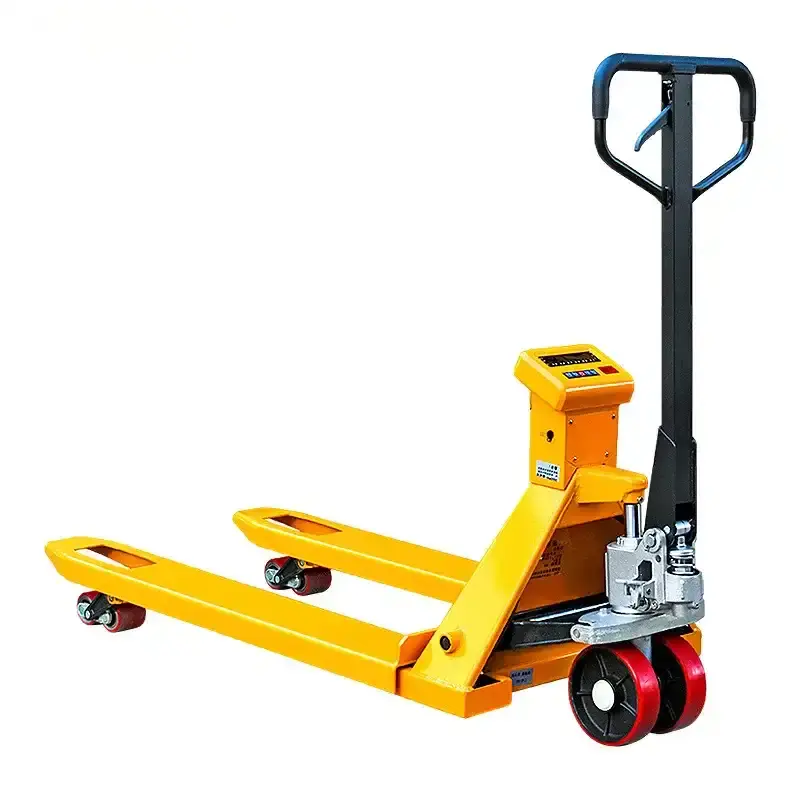
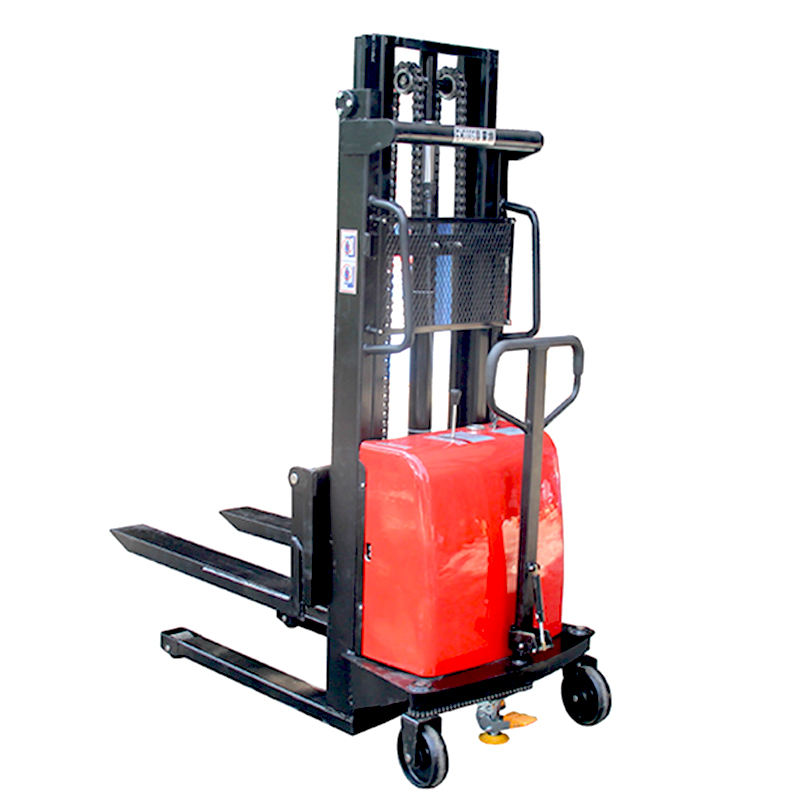
Electric pallet trucks are not one-size-fits-all. Different warehouse environments require different types of equipment. Understanding the differences helps in selecting the most suitable model.
For small businesses, selecting the right electric pallet truck is not just about performance—it is about balancing cost, efficiency, and long-term value.
The first factor to consider isload capacity. Most small businesses do not require heavy-duty equipment. A standard capacity of 1.5 to 2.0 tons is usually sufficient for typical warehouse operations.
Next, evaluate yourworkspace layout. If your warehouse has narrow aisles or limited space, a compact walk-behind or mini electric pallet truck is the best choice. For slightly larger spaces with longer transport distances, a ride-on model may improve efficiency.
Frequency of use is another important consideration. If the truck will be used occasionally, a semi-electric or entry-level model may be enough. However, for daily operations, investing in a fully electric model with a reliable battery system is more cost-effective in the long run.
Speaking of batteries, choosing betweenlead-acid and lithium-ion batteries can make a significant difference. Lithium batteries offer faster charging, longer lifespan, and maintenance-free operation, making them ideal for small businesses that need convenience and flexibility. Lead-acid batteries, on the other hand, are more affordable upfront but require regular maintenance.
Ease of operation should not be underestimated. A user-friendly control system reduces training time and minimizes operator errors. Ergonomic design also improves comfort during extended use.
Finally, considerafter-sales support and spare parts availability. A slightly cheaper machine may end up costing more if replacement parts are difficult to obtain or service is unreliable.
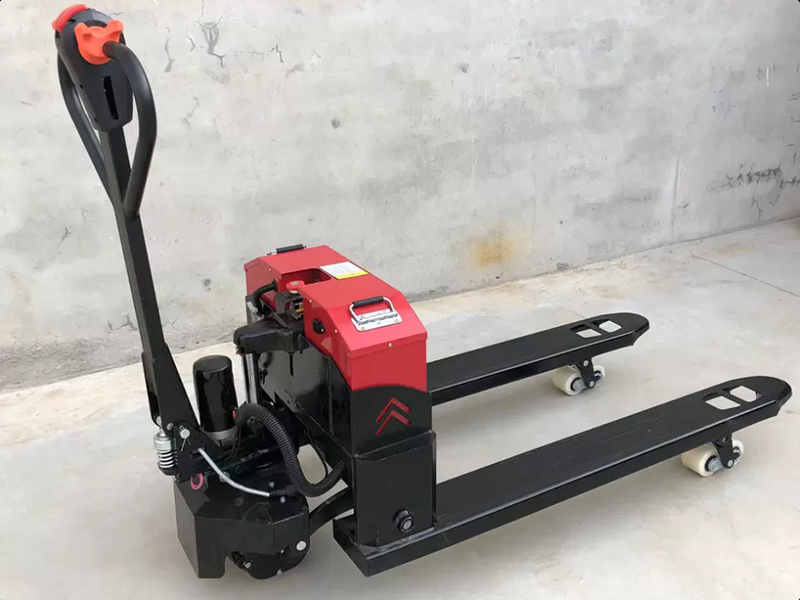
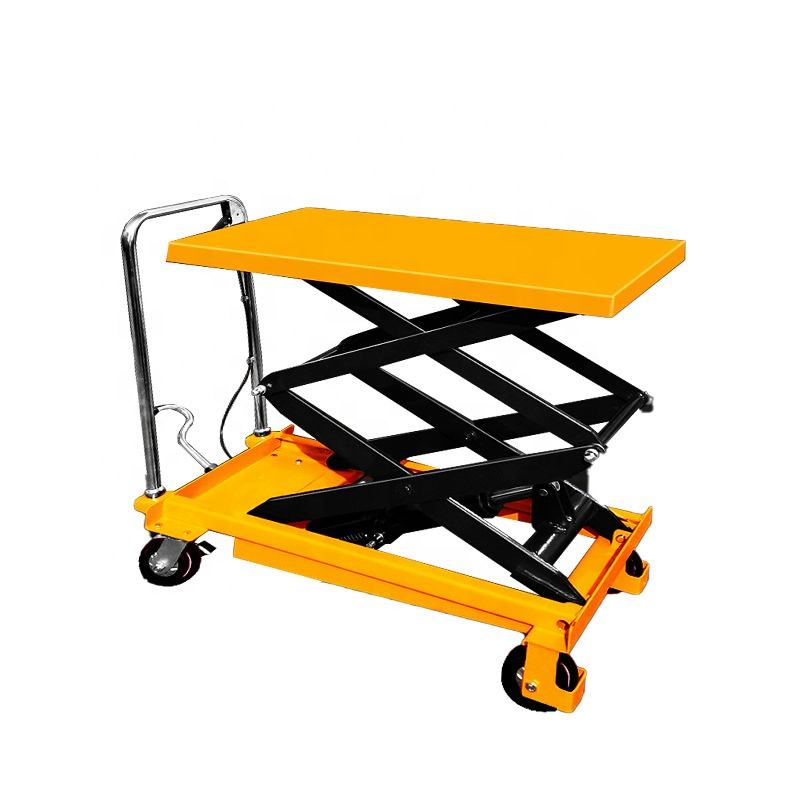
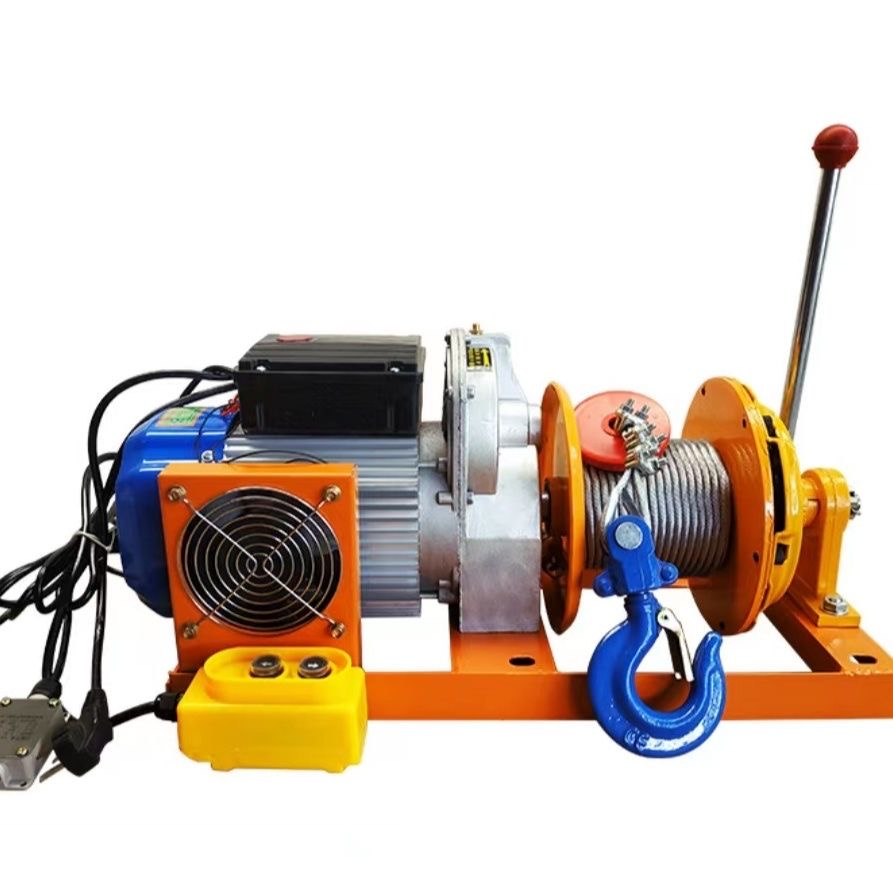
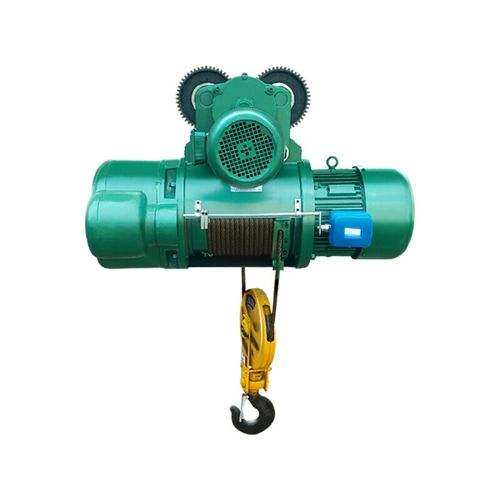
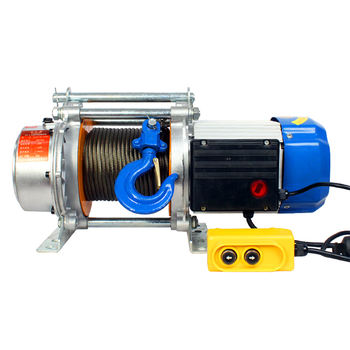
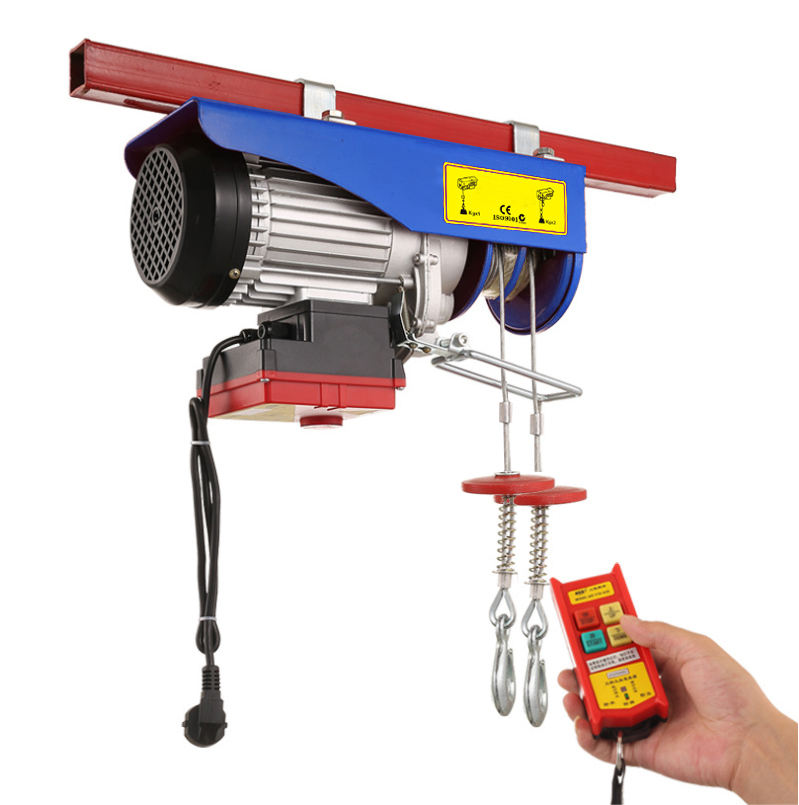
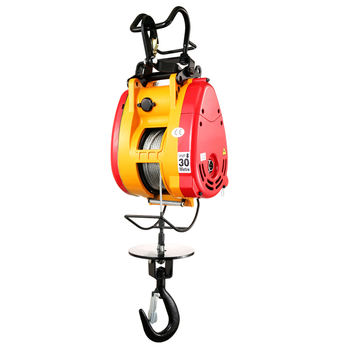
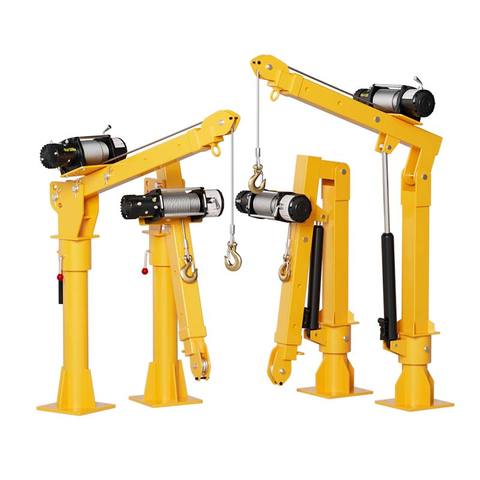
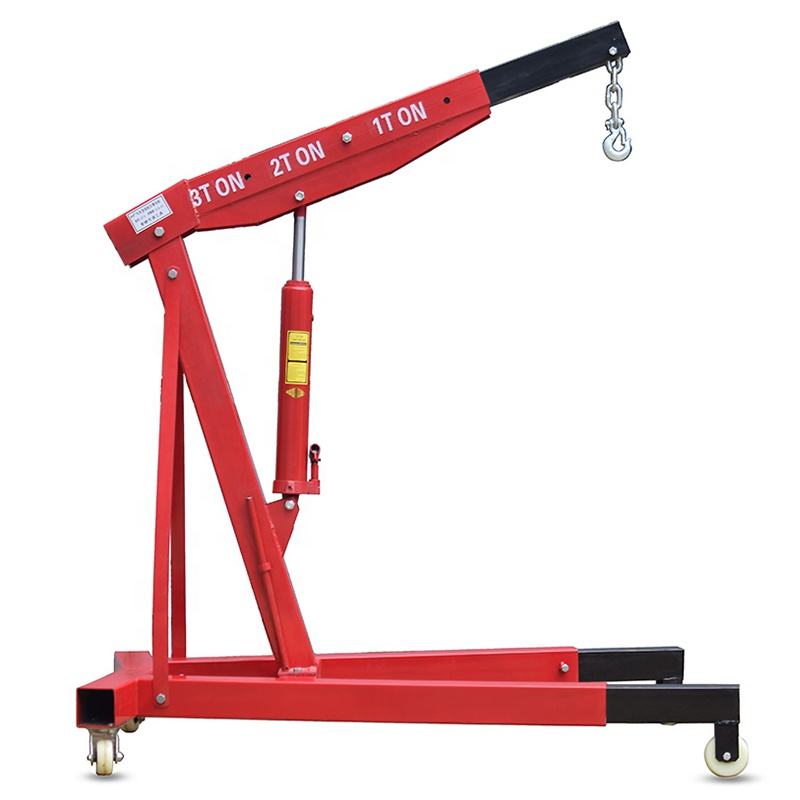
Lifting and positioning loads is a routine task in workshops, warehouses, garages, small factories and maintenance areas. When loads are too heavy to lift manually, a compact powered lifting device can help improve handling efficiency and reduce physical effort.
2026-10-26View More →
In the era of rapid global industrialization, heavy manufacturing, mechanical processing, steel structure production, large equipment assembly, port logistics and engineering construction industries are developing rapidly. Modern industrial production is gradually moving toward large-scale, heavy-load, high-frequency and high-precision operation mode.
2026-10-24View More →
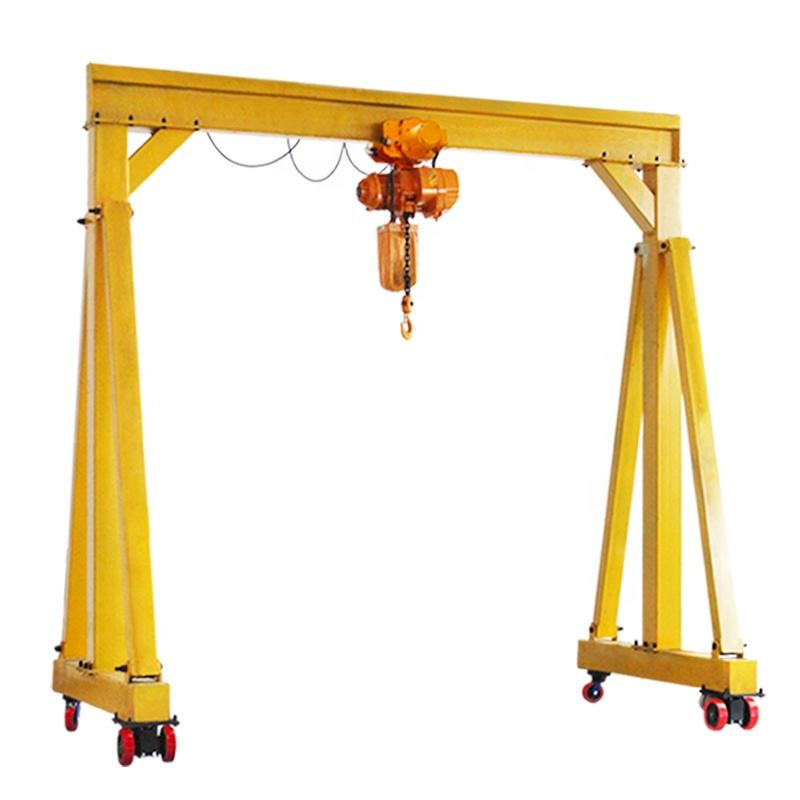
With the comprehensive upgrading of global manufacturing intelligence, standardized workshop management, automated production lines and modern logistics warehousing construction, traditional manual lifting tools can no longer meet the high-frequency, high-precision and high-safety operation requirements of modern enterprises.
2026-10-23View More →


 Tel:
+8613653129869
Tel:
+8613653129869
 Whatsapp:
+8613653129869
Whatsapp:
+8613653129869
 Email:
chuanghehoist@gmail.com
Email:
chuanghehoist@gmail.com
 Address:Donglu Village, Donglu Township, Qingyuan District, Baoding City, Hebei Province

 English
 Français
 Español



 Email
Email +8613653129869
 +8613653129869
 Home
Home Whatsapp
 chuanghehoist@gmail.com