


If you have any questions, please contact our online customer service staff immediately
 Click:1849
Edit: Chuanghe Hoisting
Click:1849
Edit: Chuanghe Hoisting Time:2026-01-20 16:03:00
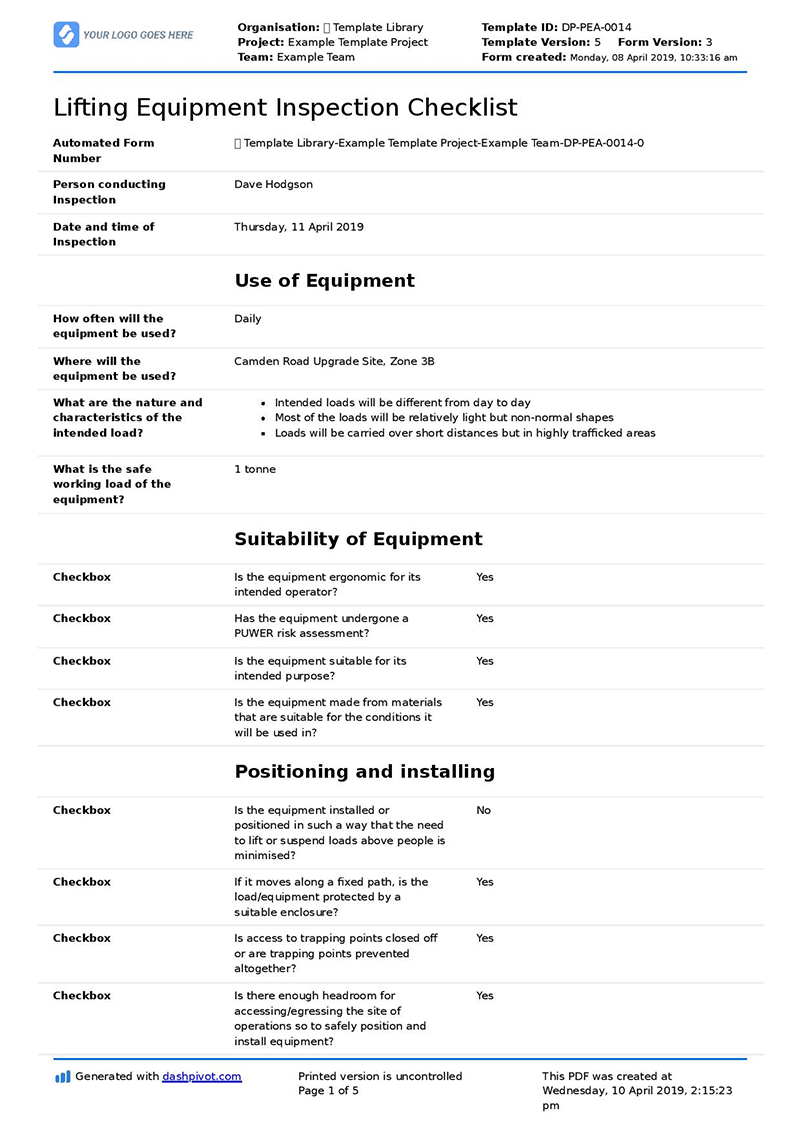
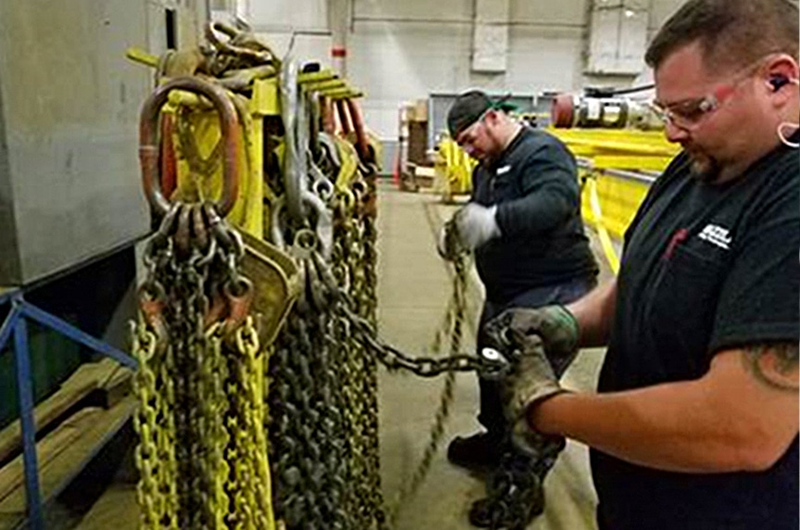
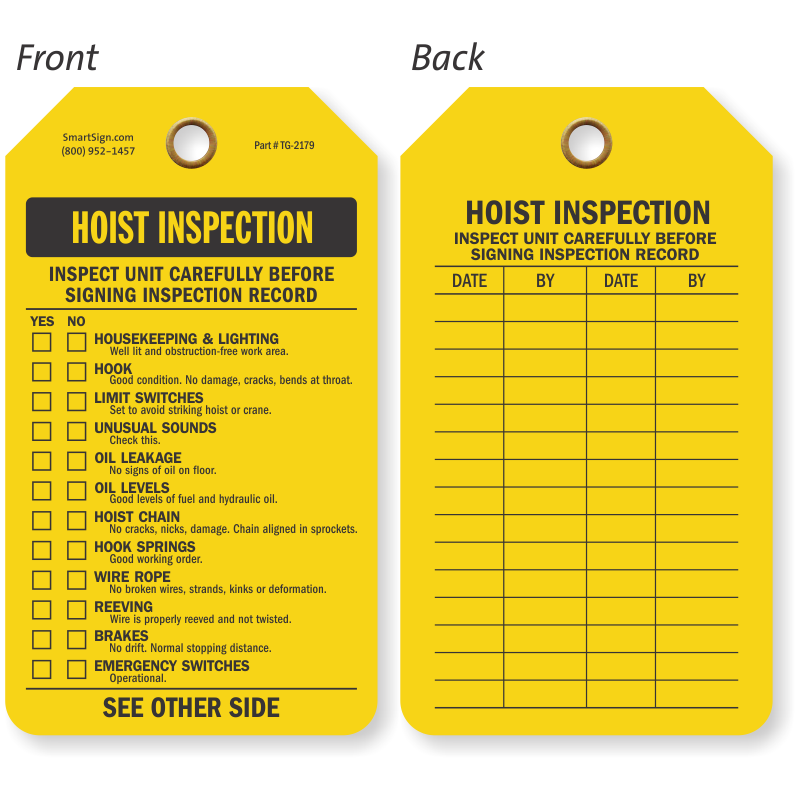
Safety certification has become a critical consideration in the lifting equipment industry. Regulatory requirements are becoming stricter worldwide, and end users are increasingly aware of the risks associated with uncertified products.
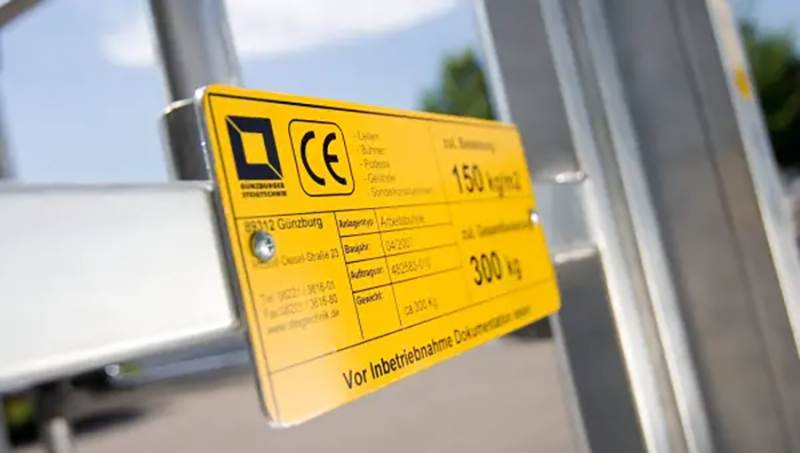
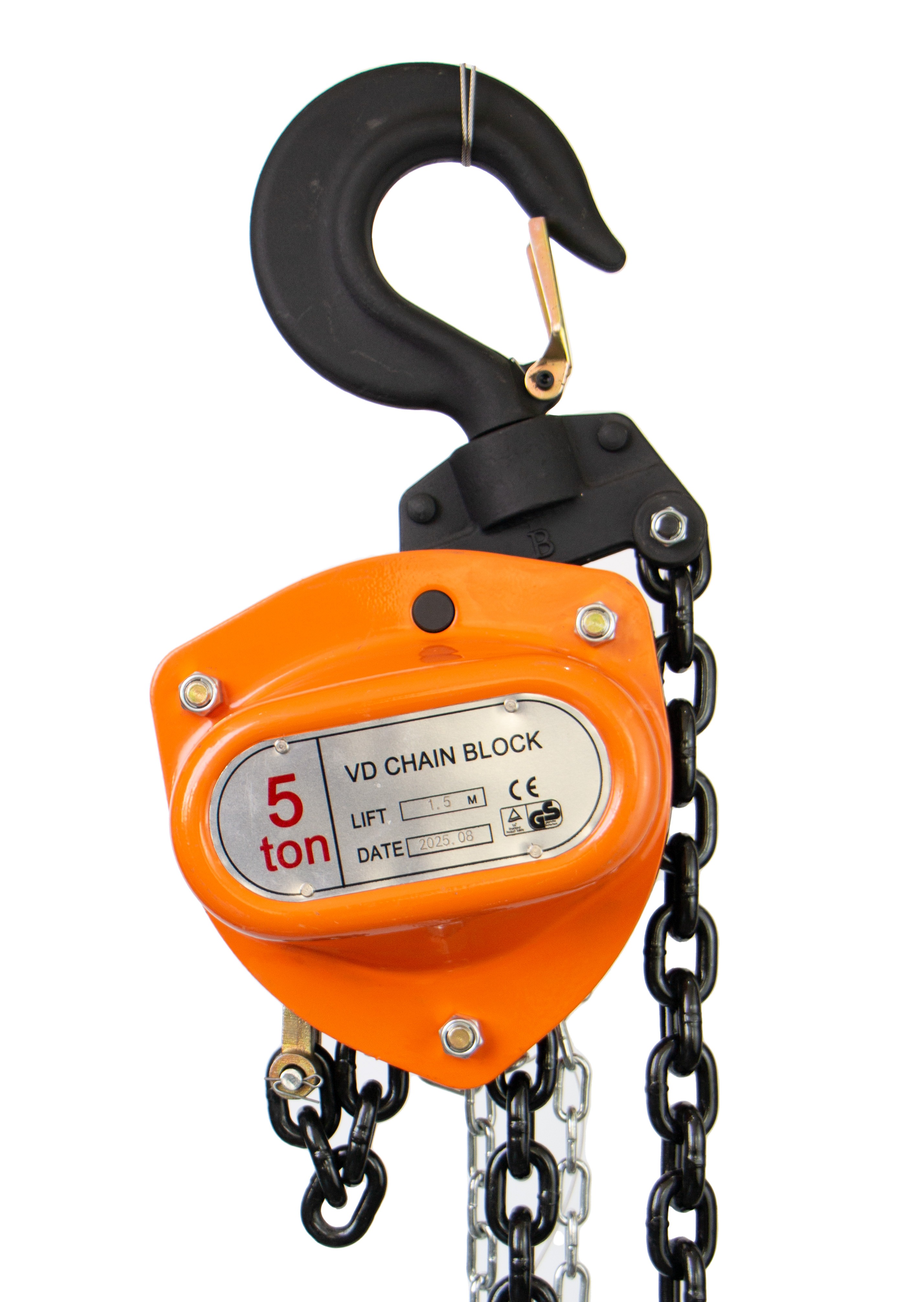
Certifications such as CE and GS help ensure that lifting equipment meets essential safety and performance standards. These certifications cover aspects such as load testing, braking reliability, material quality, and manufacturing processes.
From an operational perspective, certified equipment reduces accident risks and improves workplace confidence. For distributors and contractors, certification also minimizes liability and helps meet project compliance requirements.
As global safety awareness continues to rise, certified lifting equipment is no longer a premium option but an industry expectation.
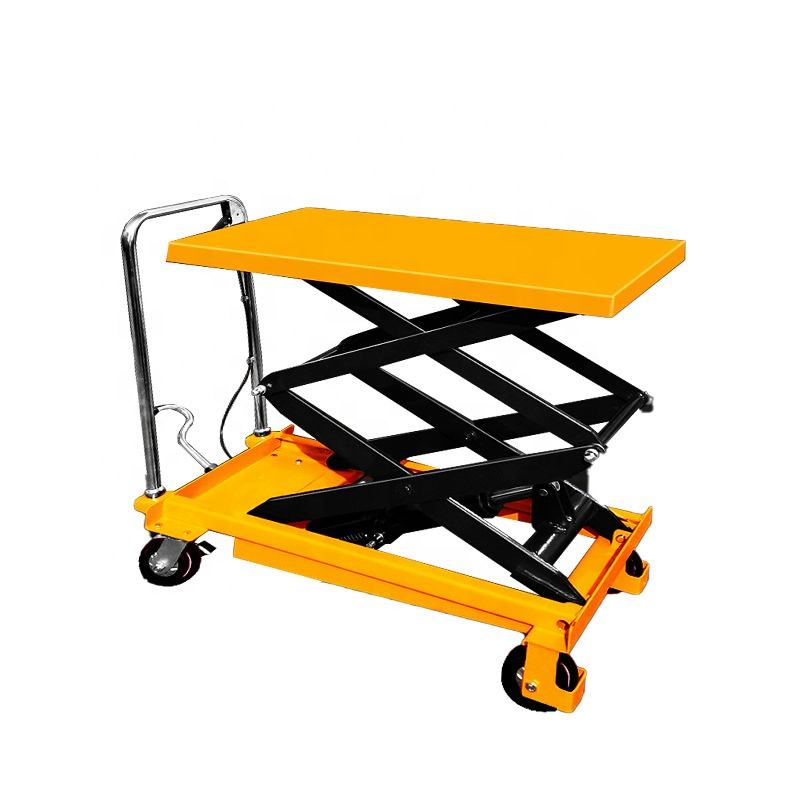
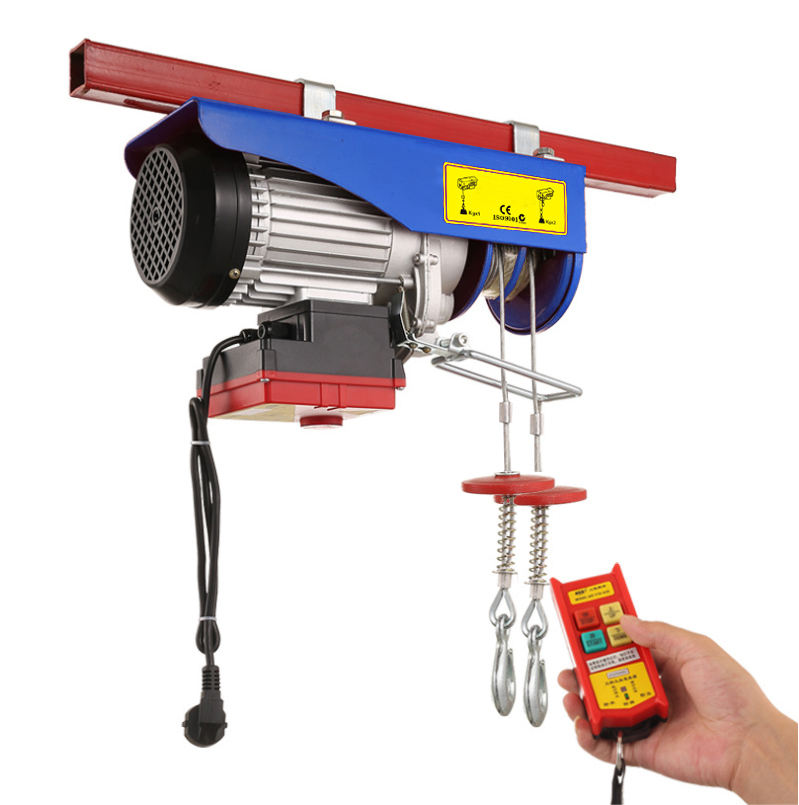
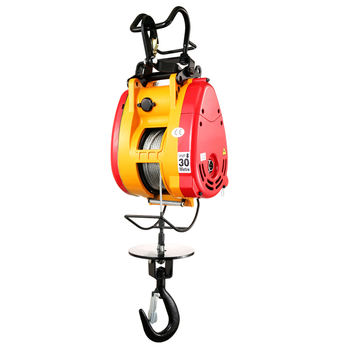
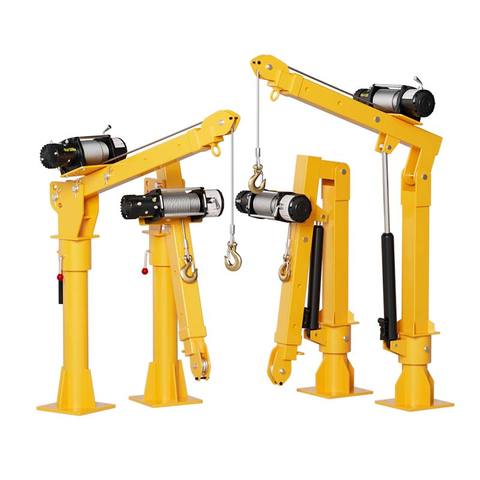
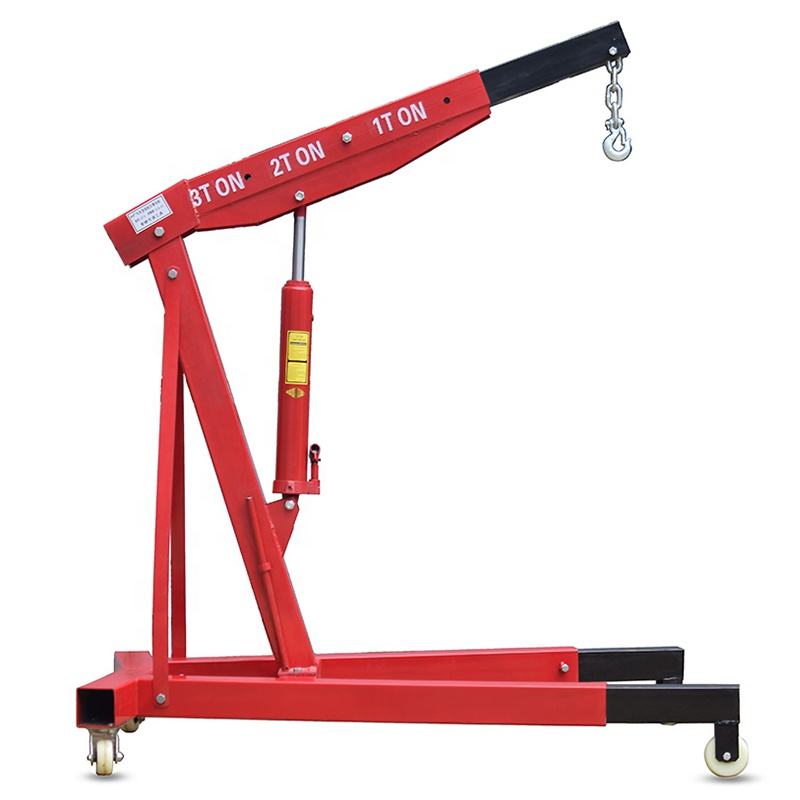
Lifting and positioning loads is a routine task in workshops, warehouses, garages, small factories and maintenance areas. When loads are too heavy to lift manually, a compact powered lifting device can help improve handling efficiency and reduce physical effort.
2026-10-26View More →
In the era of rapid global industrialization, heavy manufacturing, mechanical processing, steel structure production, large equipment assembly, port logistics and engineering construction industries are developing rapidly. Modern industrial production is gradually moving toward large-scale, heavy-load, high-frequency and high-precision operation mode.
2026-10-24View More →
With the comprehensive upgrading of global manufacturing intelligence, standardized workshop management, automated production lines and modern logistics warehousing construction, traditional manual lifting tools can no longer meet the high-frequency, high-precision and high-safety operation requirements of modern enterprises.
2026-10-23View More →


 Tel:
+8613653129869
Tel:
+8613653129869
 Whatsapp:
+8613653129869
Whatsapp:
+8613653129869
 Email:
chuanghehoist@gmail.com
Email:
chuanghehoist@gmail.com
 Address:Donglu Village, Donglu Township, Qingyuan District, Baoding City, Hebei Province

 English
 Français
 Español
 Email
Email +8613653129869
 +8613653129869
 Home
Home Whatsapp
 chuanghehoist@gmail.com